
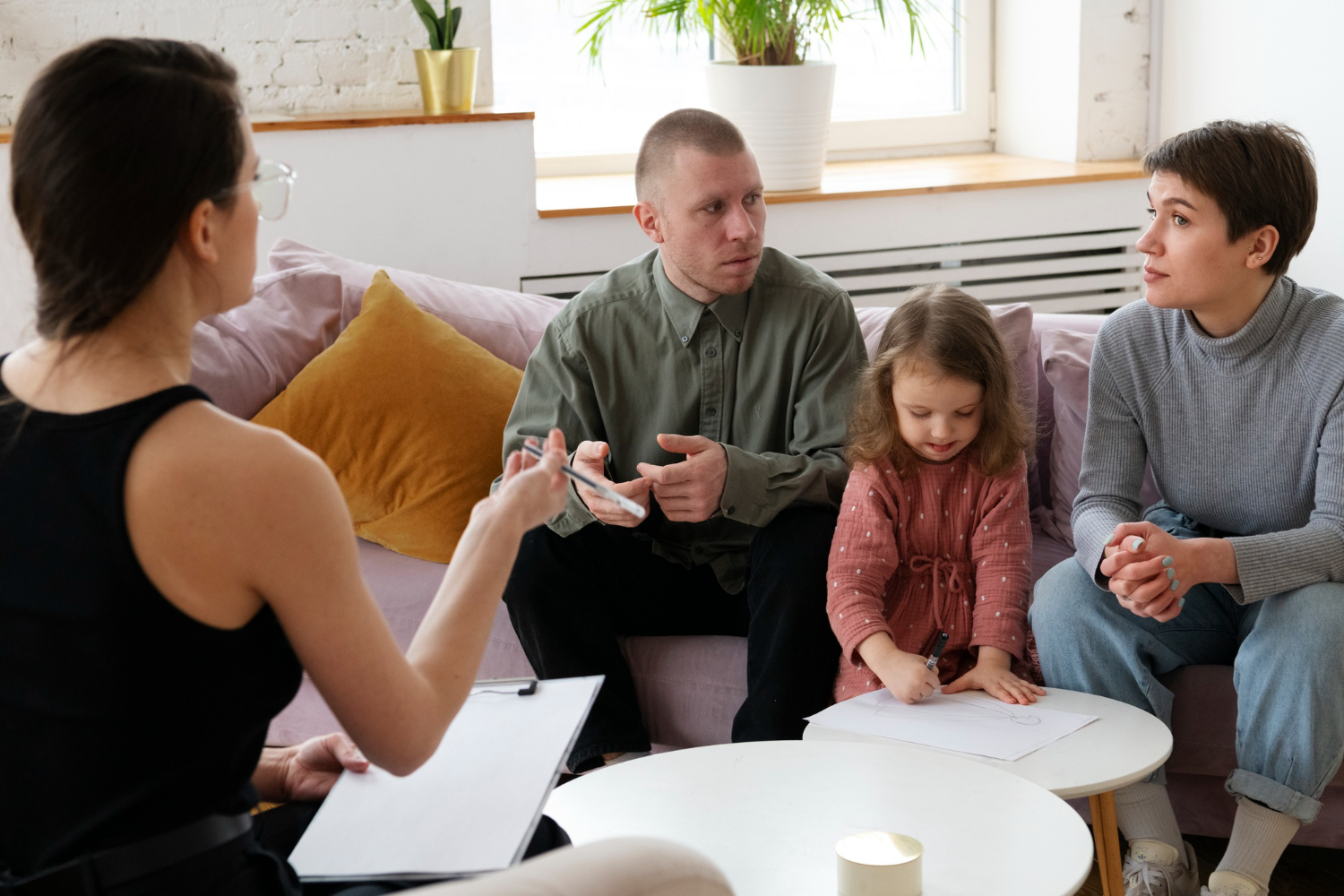
Family conflicts are as natural as the changing seasons, yet they can often feel overwhelming. Every family experiences its share of disagreements, whether it’s over daily chores, lifestyle choices, or larger, more complex issues. But what if there was a way to address these conflicts before they spiral out of control? How do we ensure that our home remains a place of harmony rather than tension?
Finding methods to resolve conflicts is crucial for developing healthier family dynamics. Through understanding, patience, and the right approach, families can find peace and unity. As we delve into strategies for resolving conflicts, imagine a family ready to face disagreements with newfound skills and strategies. This exploration aims to equip families with practical tools to navigate conflicts thoughtfully and constructively.
The Role of a Family Counselor in Conflict Resolution
Sometimes, navigating family conflicts requires an extra pair of skilled hands. This is where a family counselor comes into play. Imagine a counselor as a helpful guide, shining a light on misunderstandings and helping steer families towards resolution. Family counselors are trained to provide a neutral space where everyone can share their thoughts and feelings without interruption.
The benefits of working with a family counselor include:
– Objective insights: Counselors bring an unbiased perspective, offering insights that might be missed amidst emotional turmoil.
– Structured sessions: They create a safe, structured environment to discuss sensitive topics in a controlled manner.
– Skill development: Counselors teach families valuable skills that can be applied in everyday life, from communication techniques to conflict management strategies.
Through the expertise of a family counselor, families can better understand the root causes of their disputes and find ways to address them constructively. It’s about creating pathways to discussions that foster understanding and bring families closer together.
Effective Communication Techniques
Communication is the key to smoothing out many family disagreements. Active listening ranks high on the list of valuable communication skills. It involves focusing entirely on what the other person is saying without rushing to form a response. When every family member feels heard, the path to resolution becomes clearer.
Here are some simple strategies to enhance communication:
1. Practice active listening: Focus on what the other person is really saying. Responding with a quick, “I understand,” can make a world of difference.
2. Express needs clearly: Use “I” statements to express feelings. For example, saying “I feel upset when…” is more productive than “You never…”
3. Stay calm: Keeping a calm tone can prevent the escalation of an argument. If things get heated, take a moment to cool off before continuing.
By integrating these communication techniques, family discussions can become more open and less confrontational, laying the groundwork for healthy relationships.
Setting Boundaries and Expectations
Clear boundaries are like invisible walls that protect each family member’s sense of self while promoting respect and harmony. Imagine a scenario where everyone in the family knows exactly what is expected of them—much like an organized relay race where every participant knows their part and the team thrives as a whole.
To successfully set and respect boundaries, consider these steps:
– Communicate clearly: Discuss and agree on what boundaries are important to each family member.
– Respect individual space: Allow family members to have their personal time and space, recognizing everyone’s individual needs.
– Regular check-ins: Hold family meetings regularly to review boundaries and adjust them as needed, ensuring they remain relevant.
By establishing clear boundaries, families eliminate ambiguity and foster an environment where everyone feels valued and understood. It encourages mutual respect and lays a foundation for continuous growth and positive interactions.
Finding Common Ground
Finding common ground is about navigating differences and identifying shared values and perspectives. Consider a family discussing their weekend plans. While the children might want an outdoor adventure, the parents might prefer a relaxed day at home. By talking through different options, they might agree on a short outdoor outing followed by a movie night at home, satisfying everyone’s preferences.
To effectively find common ground, try these approaches:
1. Acknowledge differences: Recognizing that everyone has a different viewpoint opens the door for respectful dialogue.
2. Explore shared interests: List hobbies or values that overlap among family members and focus on those.
3. Collaborate on solutions: Foster a team mentality where solutions are crafted together, embracing each family member’s input.
Such strategies ensure that each person’s voice is heard, transforming potential friction into a collaborative effort, where everyone works towards common goals.
Building Bridges for a Joyful Family Life
Conflict resolution isn’t merely about stopping disagreements; it’s about understanding and growing together. As families traverse this journey, the strategies covered—effective communication, clear boundaries, finding common ground—act as tools to keep the family unit strong and connected.
When families focus on these practical strategies, they turn conflicts into opportunities for deeper understanding and compassion. Families become better equipped to handle new challenges, enjoying a happier, more cohesive family life.
The needs of every family are unique, and sometimes, external guidance becomes an integral part of the journey. Exploring options in Gledswood Hills, like engaging with a family counselor, can offer personalized support, ensuring that families move forward positively and effectively.
If you’re looking to create a path for your family to grow and strengthen those bonds, seeking guidance can make a big difference. Explore the support a family counselor offers, and see how Right By Your Side can help you build a more harmonious home environment in Gledswood Hills.